

Collagen powders are everywhere in India now, usually sold with promises of better hair, skin and nails. But what does collagen actually do, what has research found, and how does it compare with biotin? This guide gives you the honest picture so you can decide whether collagen is right for you.
What is collagen?
Collagen is the most abundant protein in the body. It forms the structure of skin, tendons, bones and connective tissue. Your body makes its own collagen from amino acids – mainly glycine, proline and hydroxyproline – with help from Vitamin C. From our mid-20s, the body’s own production gradually slows down, and sun exposure, smoking and poor sleep speed that up.
Collagen supplements contain hydrolysed collagen peptides: collagen broken into small pieces so it dissolves in water and is easy to digest.
Collagen for skin: what research shows
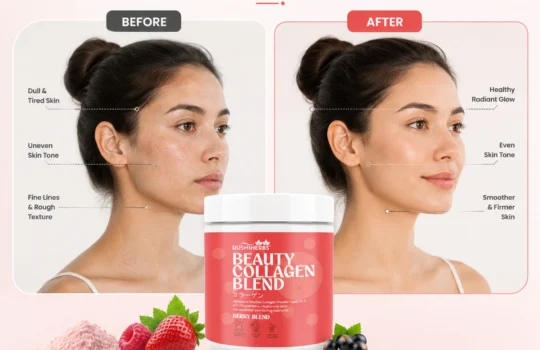
Skin is where collagen has been studied most. Several reviews of controlled trials have found that taking roughly 2.5g to 10g of hydrolysed collagen a day for 8-12 weeks was associated with improvements in skin hydration and elasticity compared with placebo. Results vary between studies and products, and collagen works alongside – not instead of – sunscreen, sleep and a balanced diet.
Collagen for nails
Research on nails is smaller but encouraging. In one study, people with brittle nails who took 2.5g of collagen peptides daily for 24 weeks reported faster nail growth and fewer broken nails. Nails grow slowly, so this is a long-term habit rather than a quick fix.
Collagen for hair: what we know
This is where marketing runs furthest ahead of the research. Hair is made mostly of keratin, not collagen, and there are very few good human studies on collagen and hair. What can be said honestly:
- Collagen supplies amino acids, and adequate protein is part of a diet for healthy hair.
- Hair fall has many causes – stress, thyroid, iron or vitamin D deficiency, hormones and genetics. If you are losing a lot of hair, see a doctor or dermatologist first.
- Collagen is best seen as general nutritional support, not a hair-fall treatment.
Collagen vs biotin: which is better for hair?
| Collagen | Biotin | |
|---|---|---|
| What it is | A protein (amino acids) | A B-vitamin (B7) |
| Main research area | Skin hydration and elasticity, nails | Correcting biotin deficiency |
| Who benefits most | Adults wanting skin and nail support | People who are actually low in biotin |
| Typical amount | 2.5-10g a day | 30mcg covers daily needs |
Biotin contributes to the maintenance of normal hair and skin, but true deficiency is uncommon and very high doses can interfere with some blood tests (including thyroid tests) – tell your doctor if you take it. Many people simply choose a collagen drink that also contains a normal daily amount of biotin.
Which nutrients help collagen?
- Vitamin C – contributes to normal collagen formation for the normal function of skin. Amla is a great food source.
- Vitamin E – contributes to the protection of cells from oxidative stress.
- Protein – dal, paneer, curd, eggs, fish or soy give the building blocks.
- Zinc and copper – both involved in normal connective tissue.
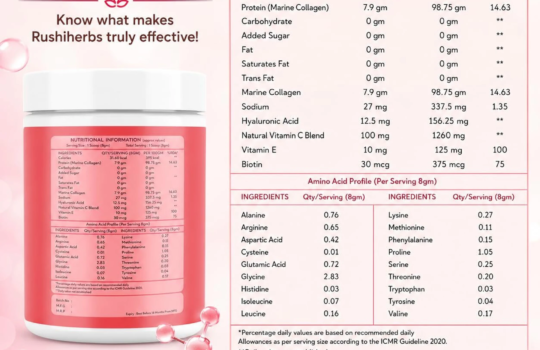
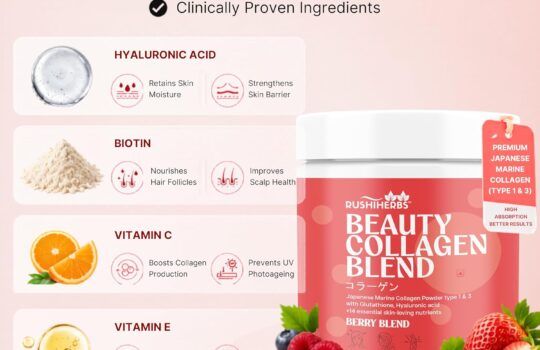
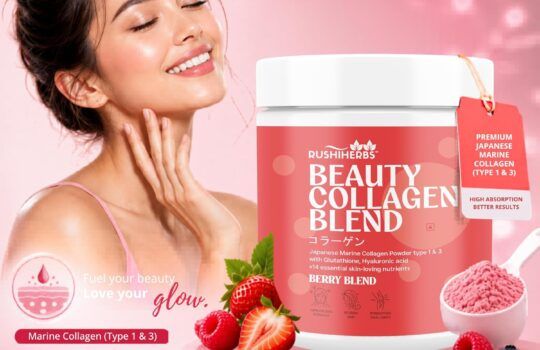
Our pick: Rushi Herbs Beauty Collagen Blend – 7.9g hydrolysed Japanese marine collagen peptides (Type 1 & 3) per scoop, with L-glutathione, hyaluronic acid, 100mg Vitamin C, Vitamin E and 30mcg biotin. Mixed berry flavour, no added sugar.
Frequently asked questions
How long does collagen take to show results?
Most skin studies ran for 8-12 weeks of daily use; nail studies ran for up to 24 weeks. Plan on at least 2-3 months. Read our guide on the best time to take collagen.
Can men take collagen?
Yes. Collagen is the same protein in men and women.
Which type of collagen is best for skin?
Type 1 is the main collagen in skin, and Type 3 is found alongside it. Marine collagen is mostly Type 1. See how to choose a marine collagen powder.
This article is for general information and is not medical advice. Food supplements are not intended to diagnose, treat, cure or prevent any disease. Please consult a qualified healthcare professional before starting any supplement.
About Rushi Herbs
Rushi Herbs is an Indian herbal and nutrition brand based in Gujarat. Our products are made in GMP-compliant facilities and sold under FSSAI licence no. 20726031000958, with every ingredient and dose printed on the pack. Our guides are written by the Rushi Herbs team to explain ingredients in plain language - they are not a substitute for advice from your doctor.
More wellness guides
- Collagen Side Effects: Is Collagen Powder Safe to Take Daily?
- Glutathione and Collagen: Can You Take Them Together?
- Is There Vegetarian Collagen? An Honest Guide for Vegetarians in India
- Best Time to Take Collagen Powder – and How Long It Takes to Work
- How to Choose the Best Marine Collagen Powder in India