
Vitamin B12 is one of the most common nutrient gaps – especially for vegetarians, older adults and people on certain long-term medicines. This guide explains what B12 does, who is most likely to run low, the signs to watch for, vegetarian food sources, and how to choose between methylcobalamin and cyanocobalamin.
What does vitamin B12 do?
Vitamin B12 (cobalamin) is a water-soluble vitamin your body cannot make on its own. It:
- contributes to normal energy-yielding metabolism and the reduction of tiredness and fatigue;
- contributes to the normal function of the nervous system and normal psychological function;
- contributes to normal red blood cell formation;
- contributes to the normal function of the immune system;
- has a role in the process of cell division.
Why is low B12 so common in India?
B12 is found almost only in animal foods – meat, fish, eggs and dairy. Plants do not make it. Studies across India have repeatedly found low B12 levels to be common, particularly among vegetarians. Other reasons B12 can run low:
- Age – stomach acid and the “intrinsic factor” needed to absorb B12 from food decrease over time, especially after 50.
- Medicines – long-term use of metformin (for diabetes) or acid reducers such as omeprazole and pantoprazole can lower B12 levels.
- Digestive conditions – conditions or surgery affecting the stomach or small intestine can reduce absorption.
Signs your B12 may be low
Low B12 develops slowly, often over years, and the signs are easy to miss:
- Tiredness, weakness or low energy
- Pale skin
- Tingling or numbness in the hands or feet
- A sore, red tongue or mouth ulcers
- Poor memory, low mood or difficulty concentrating
These signs have many possible causes. If you notice them, ask your doctor for a blood test (serum B12, sometimes with other markers). A confirmed deficiency should be treated under medical supervision – sometimes with injections – not with a supplement alone.
Vegetarian sources of vitamin B12
| Food | Approximate B12 | Notes |
|---|---|---|
| Milk (1 glass, 250ml) | About 1mcg | One of the best vegetarian sources |
| Curd / yoghurt (1 cup) | About 0.5-1mcg | Varies by type |
| Paneer (100g) | About 0.5-0.8mcg | Varies by type |
| Egg (1 large) | About 0.5mcg | For eggetarians |
| Fortified foods | Check the label | Some cereals and plant milks are fortified |
Spirulina, seaweed and fermented foods are often called “B12 sources”, but they mainly contain inactive B12 analogues that the body cannot use. Vegans and strict vegetarians should rely on fortified foods or a supplement.
How much vitamin B12 do you need?
Adults need only about 2-2.5mcg a day (ICMR-NIN recommends 2.5mcg for Indian adults). Supplements usually contain far more – often 500-1000mcg – because the body absorbs only a small fraction of a large oral dose once its normal absorption route is full. Vitamin B12 has no established upper limit and is considered to have low toxicity, but always follow the label and your doctor’s advice.
Methylcobalamin vs cyanocobalamin
| Methylcobalamin | Cyanocobalamin | |
|---|---|---|
| What it is | An active form the body uses directly; found naturally in food | A synthetic, very stable form the body converts first |
| Where you see it | Many newer supplements | Low-cost tablets and fortified foods |
| Does it work? | Both raise B12 levels effectively in most people | |
There are also adenosylcobalamin (the other active form) and hydroxocobalamin (often used in injections).
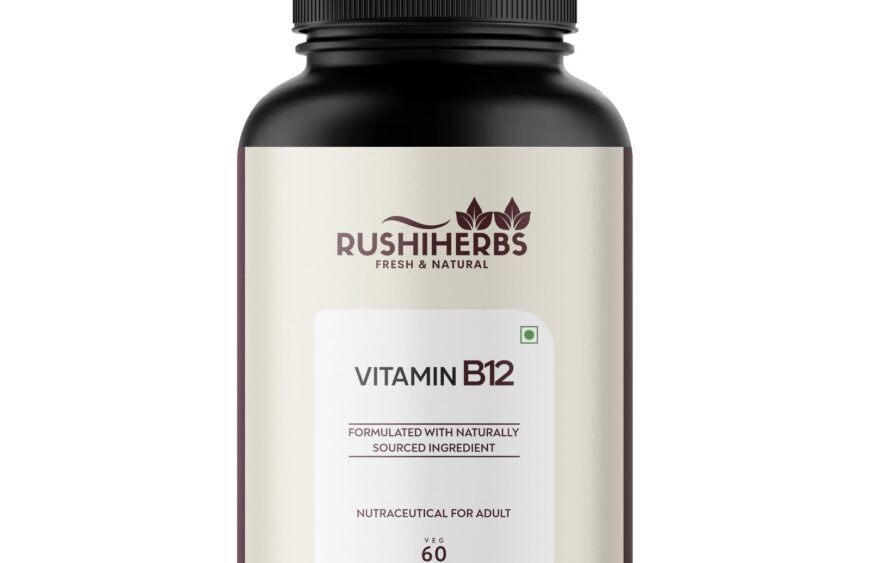
Our pick: Rushi Herbs Vitamin B12 – 1000mcg methylcobalamin per capsule in vegetarian HPMC capsules. 60 capsules (30 days).
When and how to take B12
- Morning or early in the day suits most people, as part of a daily routine.
- Follow your product’s label – some recommend taking B12 before meals.
- Consistency matters – B12 stores build up over weeks and months.
Who should be careful?
- Anyone with symptoms of deficiency – get tested first, so the cause is found.
- People taking prescription medicines – check with your doctor or pharmacist.
- Pregnant and breastfeeding women – B12 needs are higher; ask your doctor what is right for you.
- Children – use only products and doses made for their age.
Frequently asked questions
Can vegetarians get enough B12 from food?
Lacto-vegetarians who have plenty of milk, curd and paneer can get some B12, but many still fall short. Vegans need fortified foods or a supplement.
Is methylcobalamin safe to take every day?
For most adults, yes, at the dose on the label. B12 is water-soluble, and the body excretes what it does not need.
Can I take B12 with other supplements?
Yes – B12 is often taken with folate, iron or a multivitamin. Avoid doubling up on several high-dose B12 products.
This article is for general information and is not medical advice. Food supplements are not intended to diagnose, treat, cure or prevent any disease. Please consult a qualified healthcare professional before starting any supplement.
About Rushi Herbs
Rushi Herbs is an Indian herbal and nutrition brand based in Gujarat. Our products are made in GMP-compliant facilities and sold under FSSAI licence no. 20726031000958, with every ingredient and dose printed on the pack. Our guides are written by the Rushi Herbs team to explain ingredients in plain language - they are not a substitute for advice from your doctor.